
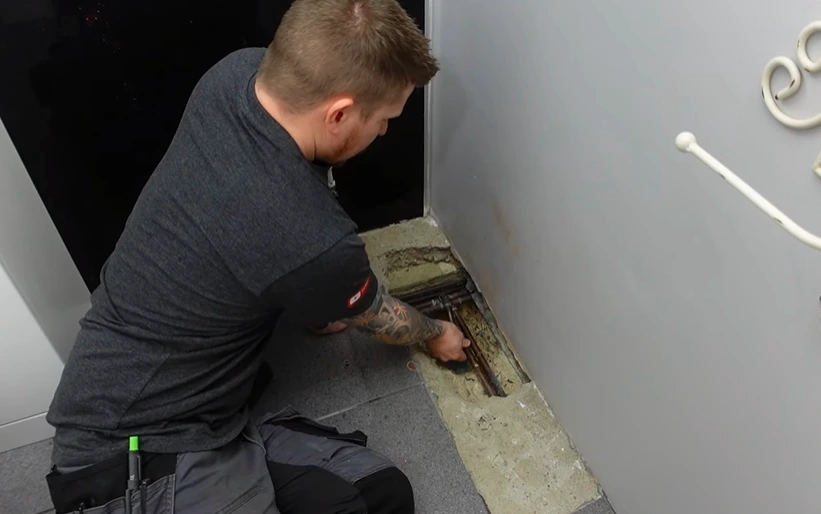
Slab leak insurance
Does homeowners insurance cover a slab leak? What Arizona policies usually say
Insurance coverage for a slab leak depends on your specific policy, so this page cannot tell you what your policy covers. What it can do is explain how coverage generally works, what tends to be covered or excluded, and the questions worth asking your insurer before you assume either way.
Live dispatcherUpfront optionsBacked workmanship
Quick answer
Does homeowners insurance cover slab leaks?
Short answerWhether a slab leak is covered depends entirely on your policy; there is no single answer that applies to every homeowner. Many policies cover sudden, accidental damage but exclude damage from gradual wear or neglect, and the details vary by insurer. Read your policy or ask your agent rather than assuming either way.
This page is general information, not insurance advice. Coverage depends on your specific policy, its exclusions and how the cause of the leak is classified. Nothing on this page should be read as a statement that insurance does or does not cover your situation; your policy documents and your insurer are the only reliable source for that.
With that in mind, here is how coverage for a slab leak generally tends to work, and the questions worth asking before you assume either way.
The pipe
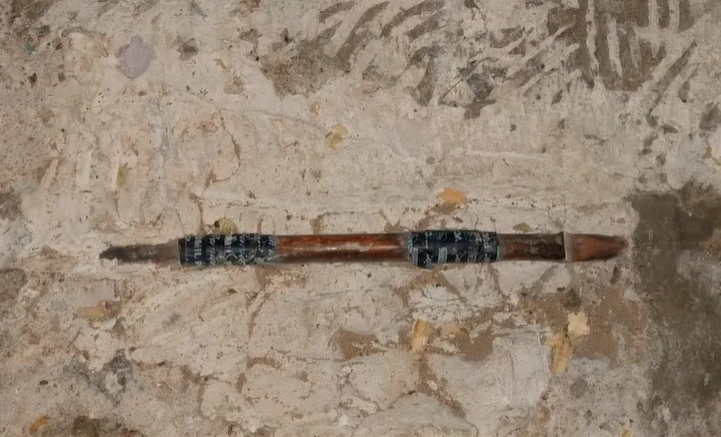
Does insurance cover repairing the leaking pipe?
Short answerThis depends on your policy. Some policies cover locating and repairing the point of failure on a pipe when the cause is considered sudden and accidental, while others limit or exclude plumbing repairs entirely. The pipe's age, material and the stated cause of the leak can all affect what is covered.
Policies differ on this more than homeowners often expect. Some treat a sudden pipe failure as a covered, accidental event and pay toward locating and repairing it. Others treat plumbing failures as maintenance issues, especially on older pipe materials, and exclude them regardless of how the leak started.
What your policy actually says, and how your insurer classifies the cause of your specific leak, matters more than any general rule. See our repair options guide for how a repair is carried out once it is approved, whichever way it is being paid for.
Water damage
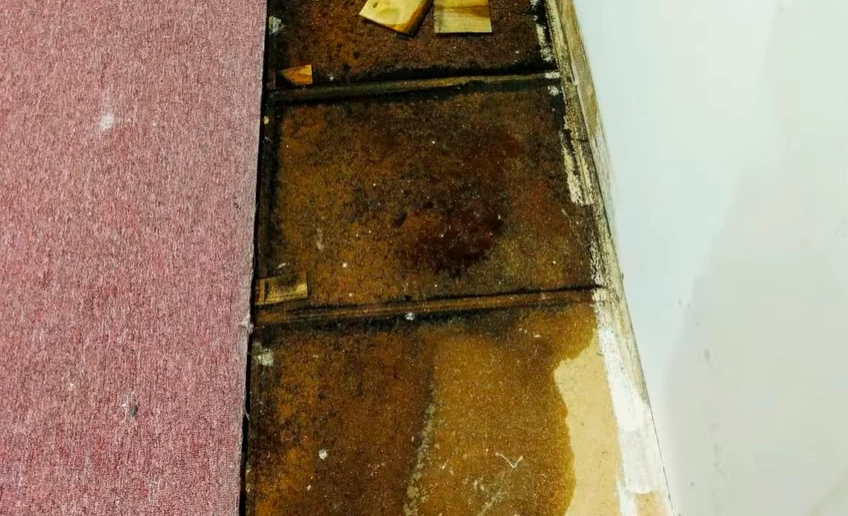
Does insurance cover the water damage a slab leak causes?
Short answerMany policies are more likely to cover the water damage a leak causes, such as flooring, drywall or belongings, than the plumbing repair itself, but this still depends on your policy's terms and how the cause of the leak is classified. Confirming this with your insurer is worth doing before assuming either way.
Dwelling and personal-property coverage more often responds to the damage a leak causes than to the plumbing repair itself, since flooring, drywall and belongings are commonly covered categories in many policies. That still is not guaranteed, and how quickly the damage was addressed can factor into the insurer's decision.
Our guide to slab leak damage covers what a leak can affect, separate from the insurance question, which is worth understanding either way.
Detection
Does insurance cover slab leak detection?
Short answerCoverage for detection varies by policy. Some policies include an allowance for locating a hidden leak, while others only reimburse it as part of an approved repair claim, and some do not address it separately at all. Ask your insurer directly whether detection is covered on its own before assuming it is included.
Because detection is a diagnostic step rather than a repair, some policies handle it differently than the repair itself, sometimes covering it as part of an approved claim and sometimes not addressing it as its own line item. Ask your insurer specifically about detection costs, separate from repair costs, so you know what to expect before scheduling anything.
Order of calls
Should I call my insurance company or a plumber first?
Short answerThere is no single right order for every situation. If a leak is actively causing damage, most homeowners have it inspected, and stopped if needed, right away rather than waiting on an insurance decision. You can still contact your insurer early to ask what documentation they want before or during that process.
Insurance policies generally expect homeowners to prevent further damage where reasonably possible, so leaving an active leak running while waiting for an insurance decision is rarely the right move. Getting the leak assessed, and stopped if it is causing ongoing damage, is usually the practical first step.
Contacting your insurer early still matters. They can tell you what documentation, photos or reports they need, which is easier to gather while the leak is being addressed than to reconstruct afterward.
Denied claims
Why would a slab leak insurance claim be denied?
Short answerClaims are commonly denied when a leak is classified as gradual damage, wear and tear, or a maintenance issue rather than a sudden, accidental event, since many policies exclude those causes. The exact reason depends on your policy's wording and the insurer's assessment, so ask for the specific reason in writing if a claim is denied.
The most common reason is a classification issue: the insurer determines the leak resulted from gradual deterioration, corrosion or lack of maintenance rather than a sudden, accidental event, and many policies exclude the former. Pipe age and material can factor into that determination.
Other reasons include exclusions specific to your policy, a coverage limit already reached, or missing documentation. If your claim is denied, ask your insurer to state the specific reason in writing, since that is what you would need to challenge or appeal the decision.
If it isn't covered
What if insurance won't cover the repair?
Short answerIf a claim is denied or only partly covered, you can still have the leak repaired at your own cost, request a review of the decision, or ask your insurer what would need to be different for coverage to apply. Some homeowners also consult a public adjuster when a claim is disputed.
A denied or partial claim does not remove the option to have the leak repaired; it just means it is not being paid for through insurance. Homeowners in that position typically weigh the repair options on their own, ask their insurer what would need to be true for coverage to apply, or, for larger disputed claims, bring in a public adjuster to review the decision.
Our cost guide covers the factors that affect repair pricing regardless of how it is being paid for.
Repiping
Does insurance cover repiping after a slab leak?
Short answerWhether a full repipe is covered is even less consistent than a single repair, since insurers often treat replacing an entire plumbing system as a maintenance or upgrade cost rather than damage from one covered event. Ask your insurer directly whether a repipe would be covered in your case before deciding on that option.
Repiping replaces a larger section, or all, of a home's plumbing rather than repairing the single point that failed, and insurers often view that difference as significant. A policy that covers a single accidental repair may still treat a full repipe as an upgrade or maintenance decision outside the original claim.
See our repair options guide for how repiping compares with a spot repair or rerouting on its own merits, separate from how any of it might be paid for.
At a glance
What slab leak insurance usually covers, item by item
Short answerPolicies commonly cover the water damage from a sudden, accidental pipe failure but not the repair of the worn pipe itself, and they usually exclude leaks that seep over time. Your policy wording decides, so use this as a checklist of what to ask.
| Item | How policies commonly treat it | What to check |
|---|---|---|
| Water damage from a sudden pipe failure | Often covered when the leak is sudden and accidental | Cause-of-loss wording and your deductible |
| Repairing the leaking pipe | Often not covered; many policies treat plumbing repair as maintenance | Exclusions for wear, tear and corrosion |
| Tear-out to reach the leak | Sometimes covered when the leak is a covered loss, often with a limit | Any tear-out or access provision and its limit |
| Leak detection | Varies; sometimes paid as part of an approved claim | Ask about detection separately from repair |
| Long-term or repeated seepage | Commonly excluded | Wording about seepage or leakage over time |
| Mold | Often limited or excluded | Any mold sub-limit |
| Whole-house repipe | Rarely covered; usually treated as an upgrade | Ask before choosing this option |
This is general information, not insurance or legal advice. Your policy and your insurer decide what is covered. Last updated November 2026.
Step by step
How to file a slab leak claim in Arizona
- Stop the water. If the meter keeps moving with everything off, shut the main valve to limit the damage. Insurers expect you to prevent further loss.
- Document before anything is moved. Take photos and video, record the water meter reading and keep your recent water bills. A sudden jump in the bill helps show when the leak began.
- Call your insurer or agent promptly. Policies expect prompt notice. Ask for a claim number and what documentation they want.
- Get a written detection report. It should state where the leak is, how it was confirmed and what it is affecting. See the checklist below.
- Keep receipts and damaged materials. Save invoices for emergency work and keep damaged materials until the adjuster has seen them.
- Ask for the decision in writing. If the claim is denied, request the specific policy provision the insurer relied on.
- If you disagree, ask for a review, consider a public adjuster or an attorney, and know that the Arizona Department of Insurance and Financial Institutions accepts consumer complaints about insurers. See what to do if a slab leak claim is denied.
Documentation
What a slab leak detection report should include
A clear report makes it easier for an adjuster to see that the loss was a sudden leak and what it affected. It should include:
- The date, the address and the symptoms that led to the inspection
- The tests performed and their results, such as a meter check, pressure test, acoustic listening and thermal imaging
- The exact location of the leak, with photos or a marked diagram
- Whether the leak is on a hot or cold line, and which fixtures or rooms it is near
- What the leak has damaged and what repair options are recommended
Leak Finders provides written findings you can send to your insurer. We do not handle claims or make coverage decisions. For related reading, see slab leaks and mold, slab leaks in rentals and what repair costs.
Local context
Slab leak detection in Apache Junction
Leak Finders provides detection and repair reports that homeowners across Apache Junction and nearby communities, including Mesa, Gilbert, Queen Creek, San Tan Valley and Gold Canyon, can bring to their insurer as part of a claim. We do not handle claims ourselves or make coverage determinations. See the full list of service areas.
Does homeowners insurance cover slab leaks?
It depends entirely on your policy. Many policies cover sudden, accidental damage but exclude gradual wear or neglect, and the details vary by insurer, so read your policy or ask your agent rather than assuming either way.
Does insurance cover the water damage a slab leak causes?
Many policies are more likely to cover resulting water damage, such as flooring or drywall, than the plumbing repair itself, but this still depends on your policy's terms and how the leak's cause is classified.
Does insurance cover slab leak detection?
It varies by policy. Some include an allowance for locating a hidden leak, others only reimburse it as part of an approved repair claim, and some do not address it separately. Ask your insurer directly.
Should I call my insurance company or a plumber first?
There is no single right order. If a leak is actively causing damage, most homeowners have it inspected right away rather than waiting on an insurance decision, and contact their insurer early to ask what documentation is needed.
Why would a slab leak insurance claim be denied?
Claims are commonly denied when a leak is classified as gradual damage or wear and tear rather than a sudden, accidental event. The exact reason depends on your policy, so ask for it in writing if denied.
How long do I have to file a slab leak claim?
Policies require prompt notice, and the exact deadline is in your policy. Report the leak as soon as you find it and ask your insurer to confirm any filing deadlines in writing.
Is mold from a slab leak covered by insurance?
Often only in a limited way. Many policies cap or exclude mold, so check for a mold sub-limit and ask your insurer before starting remediation.
Will a slab leak claim raise my premium?
It can, since claims history may be considered at renewal. Ask your agent how a claim could affect your premium before you file. This is general information, not insurance advice.
Where can I complain about a denied claim in Arizona?
The Arizona Department of Insurance and Financial Institutions accepts consumer complaints about insurers. Ask your insurer for the denial reason in writing first.
Keep reading
Related guides
Slab leak damage
What a slab leak can affect, from flooring to the foundation, separate from how it might be covered.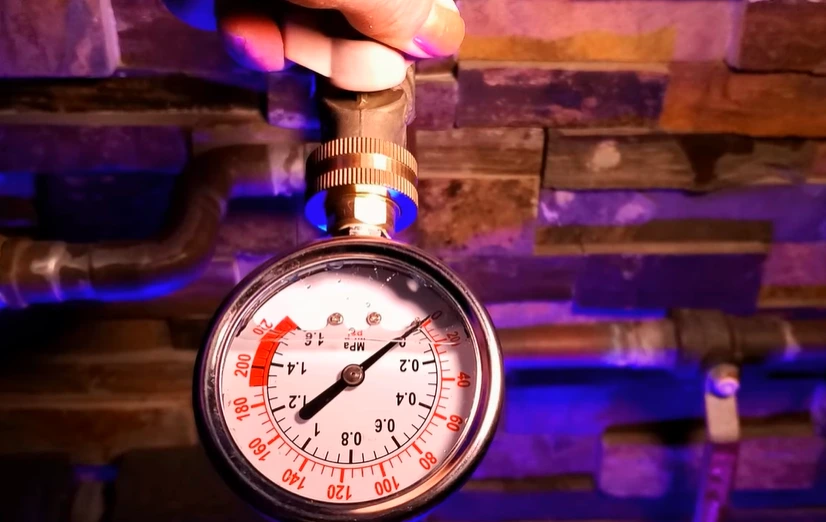
Slab leak cost
What affects the price of detection and repair, whichever way the bill is paid.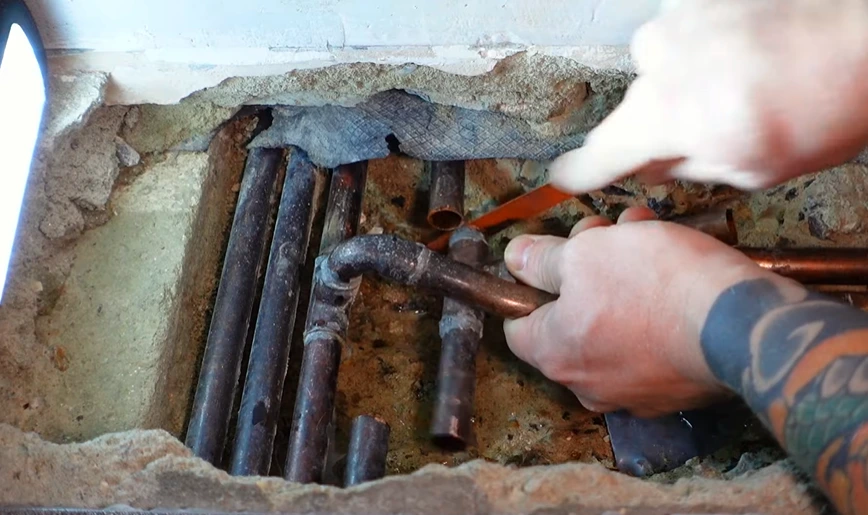
Slab leak repair options
Spot repair, rerouting and repiping compared, with how each works and when it may fit.Need a report for your insurer?
Get the leak documented and repaired properly.
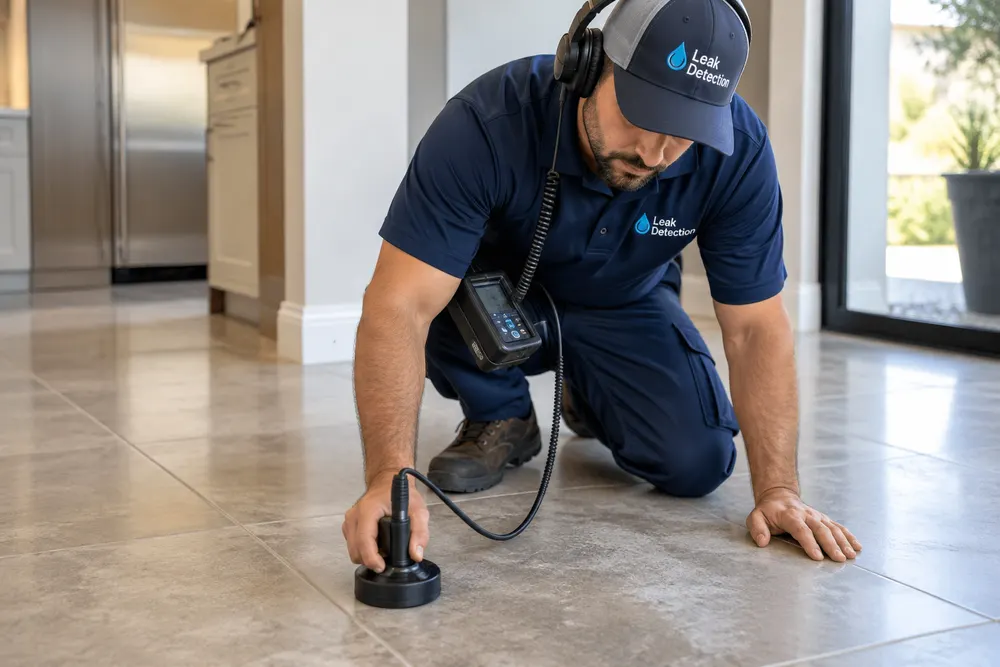
Call the dispatcher and let us know you need documentation for a claim. We will explain the tests, findings and options clearly.
Talk with the local team
Request a slab leak inspection
Call or email us with what you have noticed. We respond quickly and are available 24/7.